The Oklahoma Homeowner’s Guide to Roof Storm, Wind, and Hail Insurance Claims
4 August 2026
If you live in Oklahoma, you already know the drill. When the sirens go off and the sky turns that infamous shade of green, your first thought is your family’s safety. Your second thought? I hope the roof holds up.
Living in Tornado Alley means our roofs take a beating from severe thunderstorms, straight-line winds, and gorilla hail. But as stressful as the storms are, dealing with the insurance claim afterward can feel even worse. Between confusing policy jargon, aggressive door-to-door "storm chasers," and strict state laws, navigating a roof replacement in Oklahoma requires knowing exactly what you are up against.
Here is everything you need to know about spotting damage, understanding your policy, and filing a successful roofing insurance claim in the Sooner State.
Spotting the Damage: Wind vs. Hail
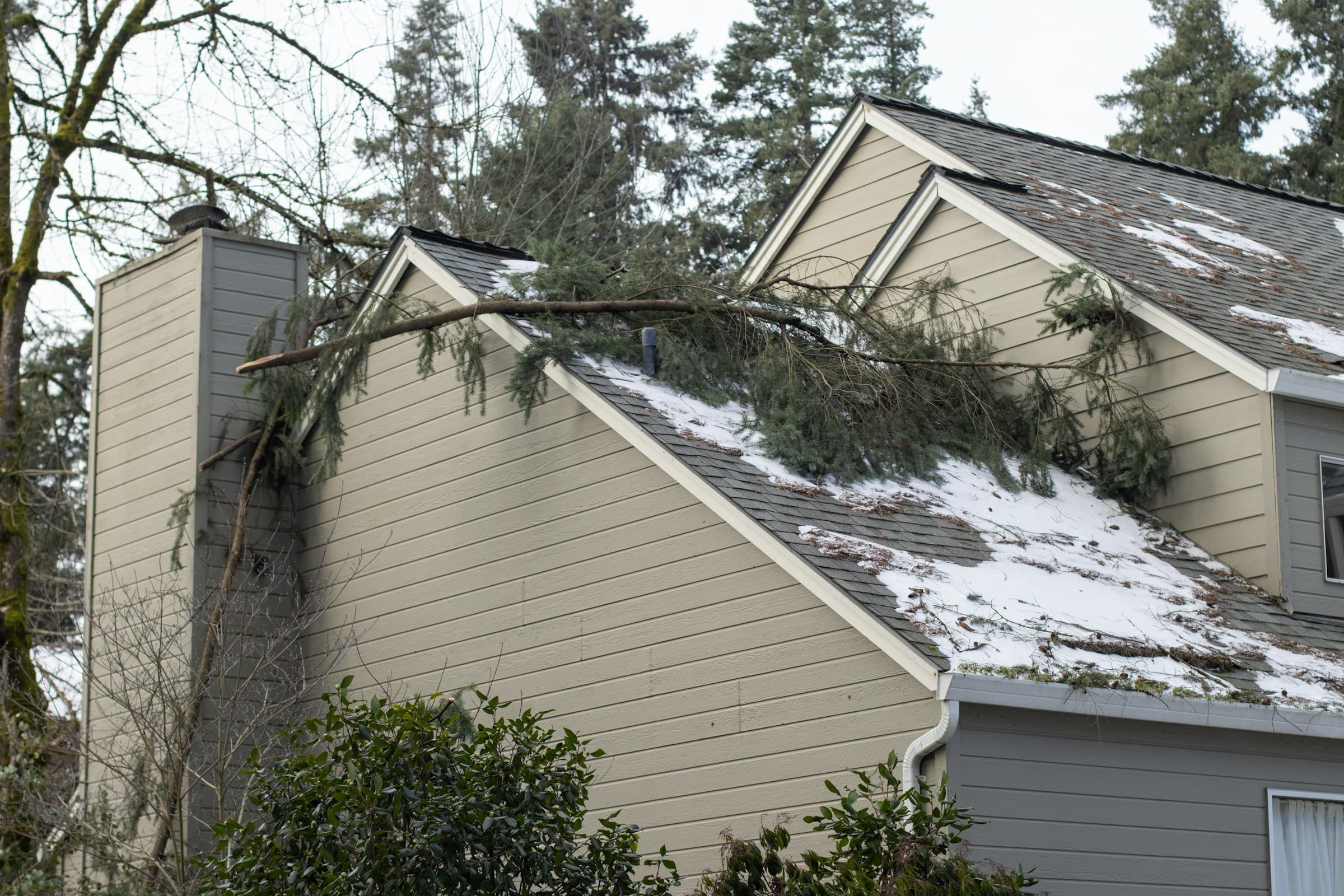
You don't need a massive hole in your ceiling to have severe roof damage. Often, the worst structural compromises are entirely invisible from the ground.
- Wind Damage: High winds can break the sealant bond that holds your shingles down. Once lifted, wind continuously flaps the shingle back and forth, causing a crease across the top. Eventually, the shingle snaps off entirely.
- Hail Damage: When hail strikes your roof, it dislodges the protective mineral granules that shield the asphalt from the sun's UV rays. Over time, these exposed "bruises" dry out, crack, and lead to serious leaks.
Understanding Your Policy: RCV vs. ACV
Before you file a claim, pull out your homeowners insurance declarations page. How your insurance pays out depends entirely on three little letters: RCV or ACV.
- Replacement Cost Value (RCV): This is the gold standard. If your roof is totaled, the insurance company pays to replace it with a brand-new roof of similar quality at today's market prices (minus your deductible).
- Actual Cash Value (ACV): This policy factor accounts for depreciation. If your 20-year roof is 15 years old, the insurance company will only pay you what the roof is worth today. Many carriers automatically switch Oklahoma policies to ACV once a roof turns 15 years old.
Important Note: Watch out for "Cosmetic Damage Exclusions." Some policies now state that if hail merely dents your metal roof or causes granule loss without immediately threatening to leak, they won't cover it. Always ask your agent about this exclusion.
The "We'll Cover Your Deductible" Scam
After a major Oklahoma storm, your neighborhood will likely be swarmed by out-of-state contractors knocking on doors. Many will use a heavy-handed sales pitch: "Sign with us today, and we'll waive or cover your insurance deductible!"
Do not fall for this.
As of November 2023, it is strictly illegal in Oklahoma for a roofing contractor to waive, absorb, or rebate your insurance deductible. You are legally required to pay your deductible out of pocket. If a contractor offers to hide the deductible in inflated invoices or "pay you for an advertising sign in your yard" to offset the cost, they are committing insurance fraud—and they are dragging you into it. Reputable Oklahoma roofers play by the rules.
Strict Oklahoma Deadlines: Don't Wait to File
How long do you have to file a claim? In Oklahoma, you generally have two years from the "date of loss" (the date the storm hit) to file a property damage claim.
However, waiting is a massive mistake. If another storm hits, or if a minor leak turns into major interior mold, the insurance company can deny the interior damage because you failed to mitigate the problem quickly. Furthermore, if your claim is unfairly denied, you only have one year to take legal action against your insurance company in Oklahoma. Act fast.
Why CIB Registration is Non-Negotiable
Never let anyone on a ladder who isn't registered with the state.
By law, any company performing roofing services for a fee in our state must hold an active Roofing Contractor Registration with the Oklahoma Construction Industries Board (CIB).
To get this registration, a residential contractor must prove they carry at least $500,000 in general liability insurance. This protects you if they accidentally damage your property or get hurt on the job. Always ask for their CIB registration number and verify it online before signing a contract.
How to Handle a Storm Claim the Right Way
Taking the right steps in the right order can mean the difference between a fully funded replacement and a frustrating denial.
- Get a Professional Local Inspection First:
Before calling your insurance agent, have a reputable, CIB-registered Oklahoma roofer inspect the property. If you file a claim and the adjuster finds no damage, a "zero-dollar claim" still goes on your record and can raise your rates. Know for sure that you have legitimate storm damage before making the call. - File the Claim and Note the Date of Loss:
Call your insurance company's claims department. Be prepared to provide the exact date the storm occurred. If you aren't sure, your roofing contractor can pull historical weather data (NOAA reports) for your address to pinpoint the exact hail or wind event. - Have Your Roofer Meet the Adjuster:
When the insurance adjuster comes to your home, your roofing contractor should be on the roof with them. Adjusters handle dozens of claims a day and can miss things. A professional roofer will respectfully point out hidden damage, code requirements, and collateral damage (like dented gutters or window screens) to ensure nothing is left off the estimate. - Review the Scope of Loss:
Your insurance company will send a "Scope of Loss" statement detailing what they are paying for. Review this with your roofer. If the insurance company missed required local building codes (like specific ice and water shields), your roofer can file a "supplement" to get those items approved. - Execution and Final Payment:
Once approved, you will pay your deductible to the roofer, and the insurance company will issue the first check (Actual Cash Value) to begin work. Once the roof is completed to local codes, the insurance company will release the final depreciation check to cover the remaining balance.
Need a Post-Storm Assessment?
Don't let hidden storm damage drastically shorten the lifespan of your roof. If your neighborhood was recently hit by high winds or hail, our CIB-registered experts are ready to help you evaluate your property with complete honesty.
Contact us today for a free, no-obligation roof inspection.