The Best Time of Year to Replace Your Roof in Oklahoma City
4 September 2026
Oklahoma City sits in the heart of Tornado Alley. Hail, high winds, extreme heat, and sudden temperature swings beat up roofs faster here than almost anywhere else in the country. The average asphalt shingle roof that might last 20–25 years nationally often needs replacement in 12–18 years in the OKC metro.
That reality makes timing critical. Choose the wrong season and you can face higher prices, longer waits, installation challenges, or weather delays. Choose the right window and you get better quality, smoother scheduling, and often better value.
Quick answer for most Oklahoma City homeowners
Fall (especially mid-September through October) is the best overall time for a planned roof replacement. Late winter into early spring (late January through March) is a strong runner-up for availability and pricing. Peak storm season (April–June) is the period to avoid when you have flexibility.
Here’s a clear, local breakdown so you can plan with confidence.
Why Timing Matters More in Oklahoma City
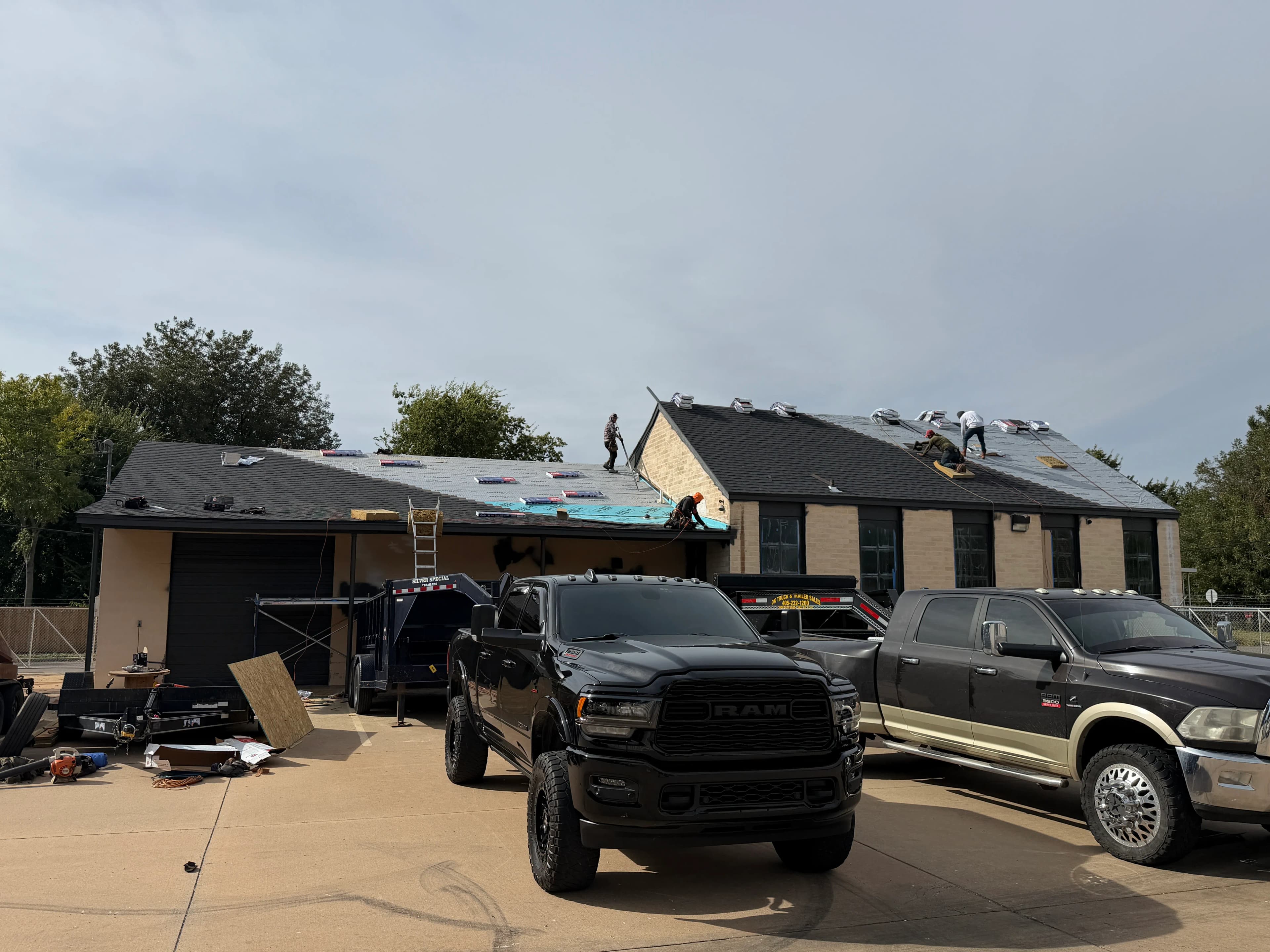
Several factors unique to our climate and market drive the ideal window:
- Hail and storm season peaks March/April through June. Demand for roofers explodes after major events. Schedules fill, prices rise, and storm-chaser activity increases.
- Asphalt shingles need the right temperature range to seal properly (generally above about 40–45°F and preferably under extreme heat). Too cold and the adhesive strips don’t activate well. Extreme summer heat can make shingles overly soft and working conditions unsafe.
- Contractor availability and material pricing shift with demand. Off-peak periods often mean more attentive service and negotiating room.
- Insurance dynamics — Carriers in Oklahoma pay close attention to roof age and condition. Proactive replacement with impact-resistant materials (especially Class 4 / UL 2218) can improve coverage options and sometimes help with premiums.
If your roof is actively leaking or has clear storm damage, timing becomes secondary. Protect the home first.
Season-by-Season Guide for Roof Replacement in Oklahoma City
Spring (March–May)
Mild temperatures and longer days sound ideal on paper. In practice, this is peak severe weather season. Hail, high winds, and thunderstorms are frequent. Contractor calendars fill rapidly after the first major storms. Material and labor costs tend to climb, and weather interruptions are common.
Best for: Emergency or insurance-driven replacements after documented damage.
Less ideal for: Purely planned projects if you have flexibility.
Summer (June–August)
Warm and often dry conditions allow work to move quickly on clear days. However, Oklahoma City routinely sees 95–100°F+ temperatures. Extreme heat stresses crews, can affect shingle handling and sealing, and increases the risk of heat-related delays. Demand remains high from residual storm claims.
Best for: Projects that must happen and can be scheduled carefully around heat advisories.
Challenges: Higher costs, crew fatigue, and material performance considerations in extreme heat.
Fall (September–November)
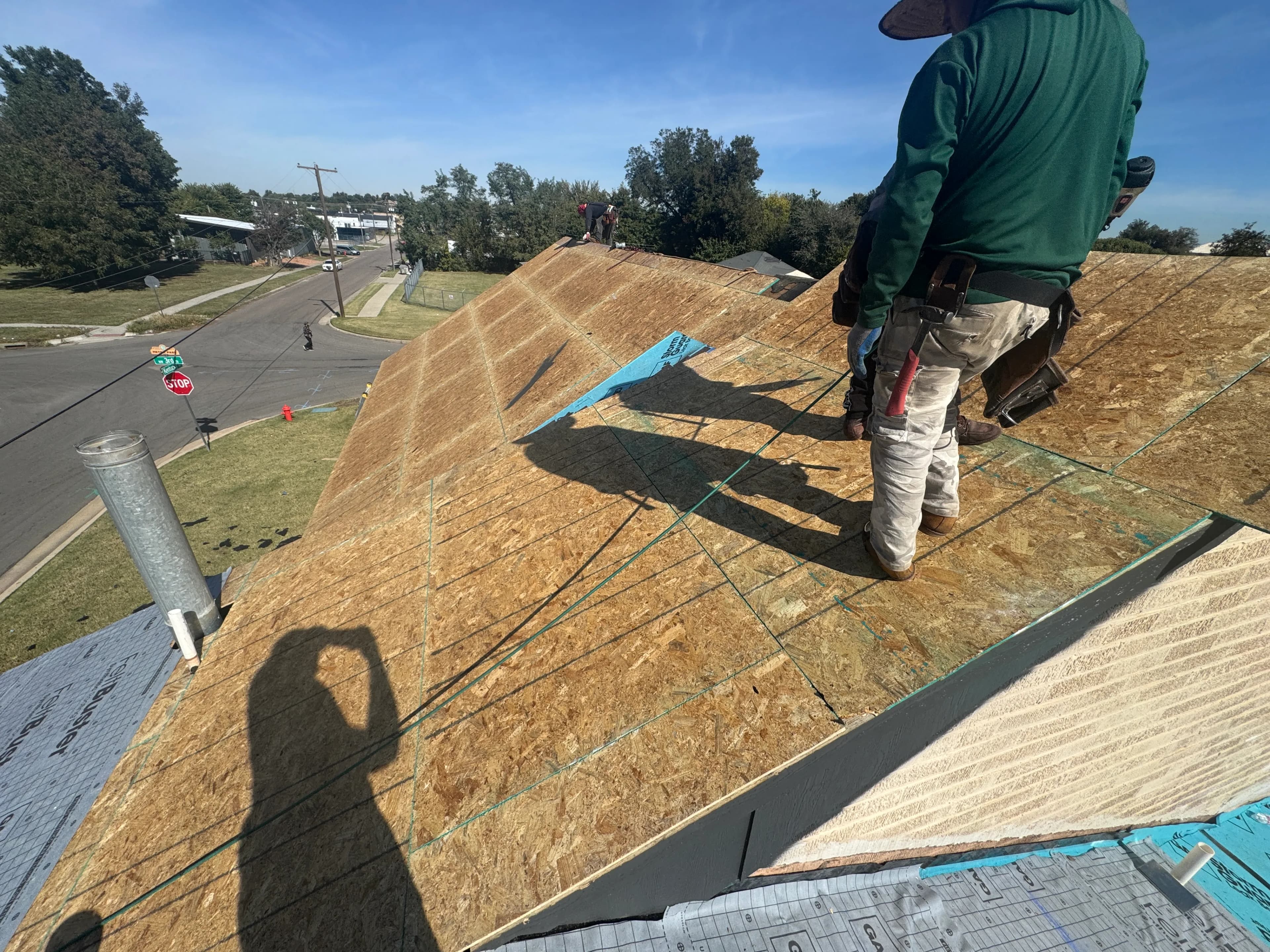
This is the sweet spot for most planned roof replacements in the Oklahoma City metro. Temperatures moderate into the ideal range for proper shingle sealing and comfortable working conditions. The main hail season has usually passed. Contractor demand eases compared with spring and early summer, improving availability and often creating better pricing opportunities. Rain risk exists but is generally more manageable than spring.
Strongest window: Mid-September through October.
Advantages: Optimal material performance, fewer weather delays, better scheduling flexibility, and time for the new roof to settle before winter.
Minor caveats: Occasional early cold snaps later in November and shorter daylight hours as the season progresses.
Winter (December–February)
Oklahoma winters are milder than many northern states, so roof replacement remains possible on many days. Contractor availability is often highest and pricing can be more competitive as companies work to keep crews busy. Cold snaps, ice, or snow can pause work, and sustained temperatures below the ideal sealing range require careful material and technique choices.
Best for: Homeowners seeking value and availability who can be flexible with weather delays.
Considerations: Professional crews experienced with cold-weather installation are essential.
Season | Weather Conditions | Contractor Demand & Cost | Best For | Key Challenges |
Spring (Mar–May) | Mild temperatures but peak severe weather (hail, wind, storms) | Rapidly filling schedules, rising costs | Emergency or insurance-driven replacements | Weather interruptions, tight contractor availability |
Summer (Jun–Aug) | Warm and dry, but frequent extreme heat (95-100°F+) | Sustained high demand, higher costs | Urgent projects scheduled around heat advisories | Crew fatigue, heat-related delays, material stress |
Fall (Sep–Nov) | Moderate, ideal temperatures; hail season mostly passed | Easing demand, better pricing, flexible scheduling | Planned replacements (Optimal window: Mid-Sep to Oct) | Shorter daylight hours, occasional late-season cold |
Winter (Dec–Feb) | Generally mild, but vulnerable to ice, snow, and cold snaps | Highest availability, most competitive pricing | Budget-conscious homeowners with flexible schedules | Weather pauses, requires cold-weather sealing expertise |
Special Considerations for Oklahoma City Homeowners
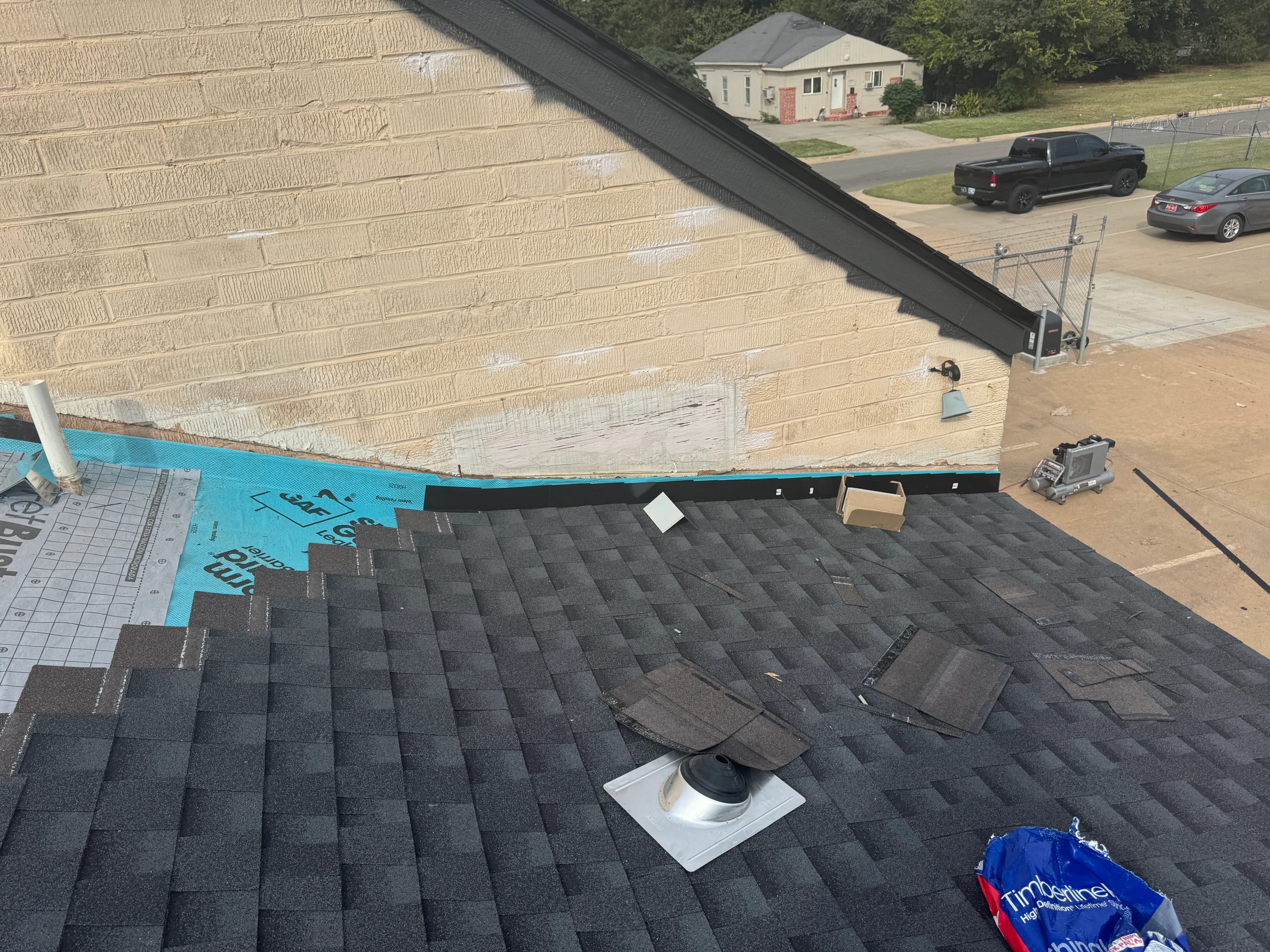
- Storm damage changes everything. If you have hail or wind damage, document it promptly, contact your insurance carrier, and schedule a professional inspection. Delaying can lead to secondary water damage and claim complications.
- Upgrade while you’re at it. Many OKC homeowners use replacement as the moment to install Class 4 impact-resistant shingles. These perform better against the hail that routinely hits the metro and can support insurance benefits.
- Don’t wait until failure. Roofs showing widespread granule loss, curling, multiple repairs, or age beyond 12–15 years in this climate deserve attention before the next storm season.
How 123 Remodeling & Roofing Helps You Get the Timing Right
We are a locally owned GAF Master Elite contractor serving Oklahoma City, Edmond, Norman, Moore, Yukon, Midwest City, and surrounding communities. We understand exactly how Oklahoma weather stresses roofs.
Our process includes:
- Same-day or next-day free roof inspections and estimates
- Full insurance claim documentation and advocacy support
- Expertise with impact-resistant (Class 4) systems designed for Tornado Alley conditions
- Clear communication and clean, professional installations
- Emergency response capability when storms hit
Whether you’re planning ahead for the ideal fall window or dealing with recent storm damage, we help you make the smartest decision for your home and budget.
Frequently Asked Questions
What is the absolute best month to replace a roof in Oklahoma City?
Mid-September through October usually offers the best combination of mild temperatures, post-storm-season availability, and solid installation conditions.
Can you replace a roof in winter in OKC?
Yes. Experienced local crews do it regularly. Weather windows exist, and availability is often better. Proper techniques and materials matter more in colder conditions.
Should I wait for fall if I already have storm damage?
No. Address active damage and leaks promptly to protect the structure and support a clean insurance claim.
Does the time of year affect the cost of a new roof?
Yes. Peak storm-driven demand in spring and early summer typically means higher prices and longer waits. Shoulder seasons (fall and late winter) often provide better value.
Ready to find out where your roof stands?
Call 123 Remodeling & Roofing at (405) 208-4006 for a free professional inspection and honest assessment. We’ll tell you clearly whether you can wait for the ideal season or need to move now — and help you navigate insurance if storm damage is involved.
Protecting Oklahoma City homes from our demanding climate is what we do every day. Let’s make sure your roof is ready for whatever the next season brings.