Class 3 vs Class 4 UL 2218
17 September 2026
The Real Difference for Oklahoma City Roofs
Oklahoma doesn’t do gentle weather. When a spring storm rolls through the metro, the hail doesn’t care if your shingles are “pretty good.” It hits hard, and the difference between a Class 3 and Class 4 impact-resistant roof shows up fast — either in a small insurance claim or a full roof replacement.
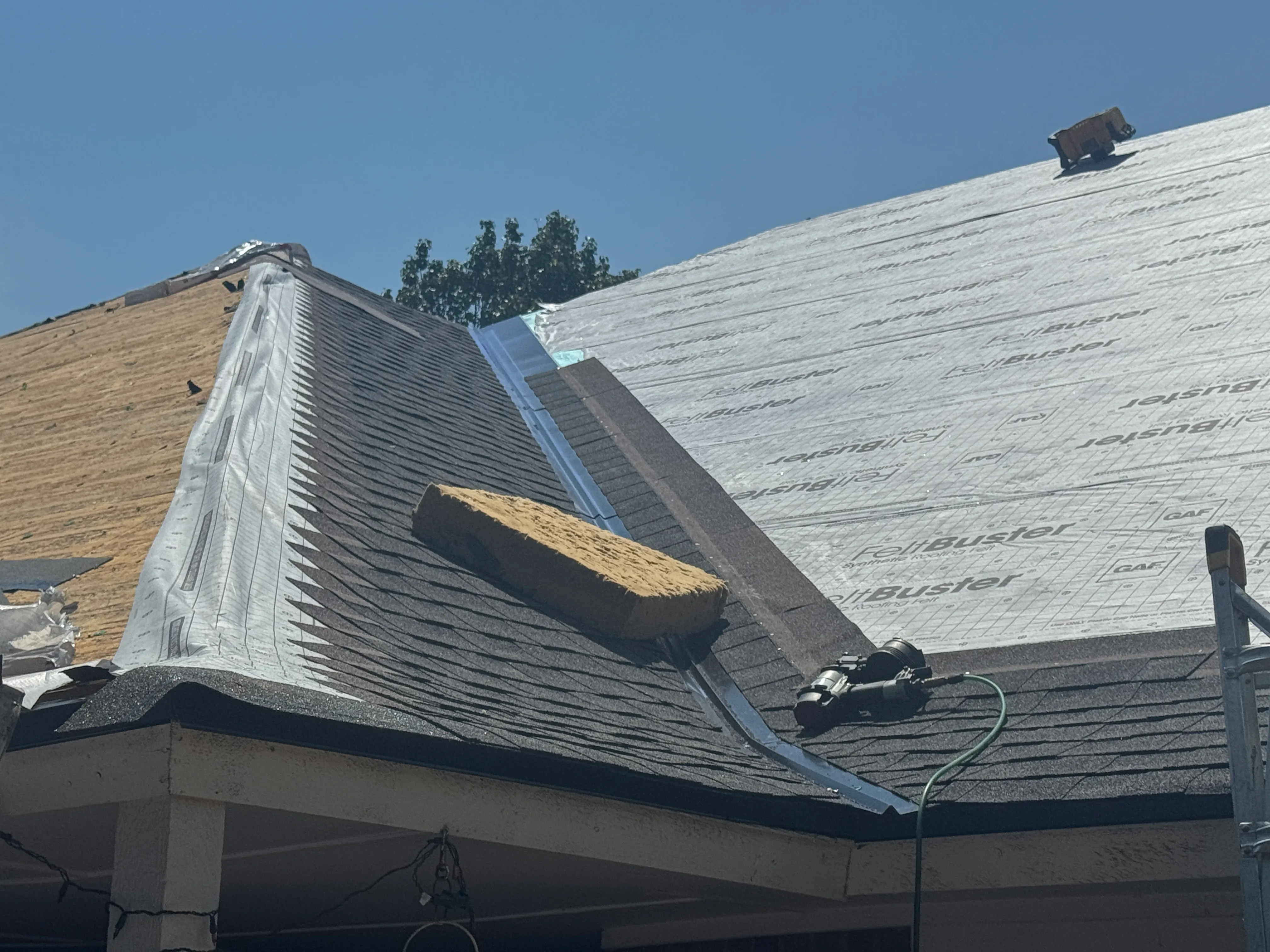
Here’s the straightforward breakdown from someone who actually works on these roofs every week in OKC, Edmond, Norman, Moore, and Yukon.
What UL 2218 Actually Measures
UL 2218 is the test that decides how much hail punishment a shingle can take before it cracks. They drop steel balls of different sizes from different heights onto the shingle. To pass, the back side of the shingle cannot show any cracking, tearing, or fracturing.
Here’s the official scale, cleaned up and branded for 123 Remodeling & Roofing:
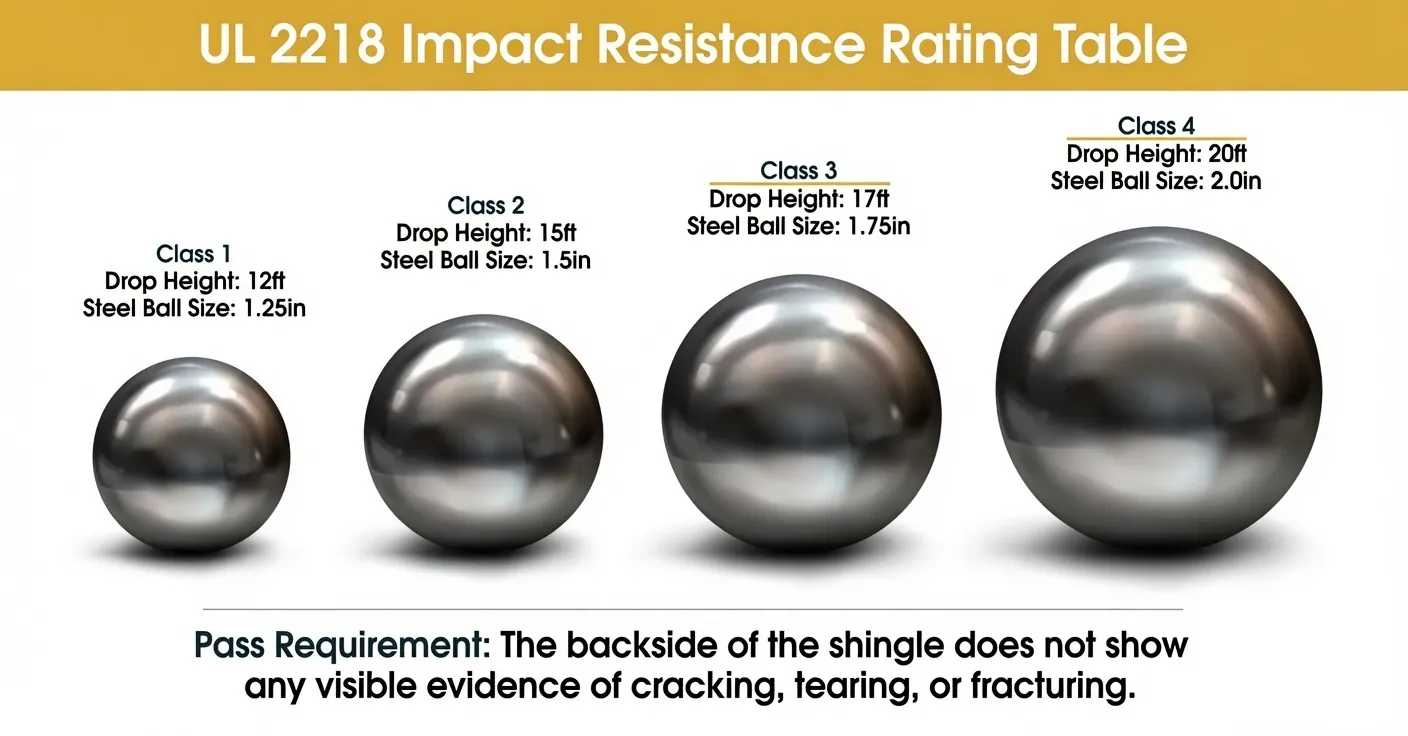
Class | Ball Size | Drop Height | What It Roughly Equals in Hail |
|---|---|---|---|
Class 1 | 1.25" | 12 ft | Small hail |
Class 2 | 1.5" | 15 ft | Nickel to quarter size |
Class 3 | 1.75" | 17 ft | Golf-ball size |
Class 4 | 2.0" | 20 ft | Larger than a golf ball |
Class 4 takes roughly 50% more impact energy than Class 3. That extra energy is exactly what Oklahoma storms throw at us on a regular basis.
Class 3 vs Class 4 in the Real World
Class 3 is a solid upgrade over regular architectural shingles. It handles most common hail well. But when the stones get into the 1.75–2 inch range (which happens more than people realize around OKC), Class 3 can still crack the mat. Once that happens, water starts finding its way in.
Class 4 is built for the bigger hits. Most Class 4 shingles use SBS-modified asphalt that flexes under impact instead of fracturing. In the field, that means fewer granule loss spots, fewer soft spots underfoot after a storm, and far fewer full replacements
The Insurance Angle
(This Is the Part Most People Miss)
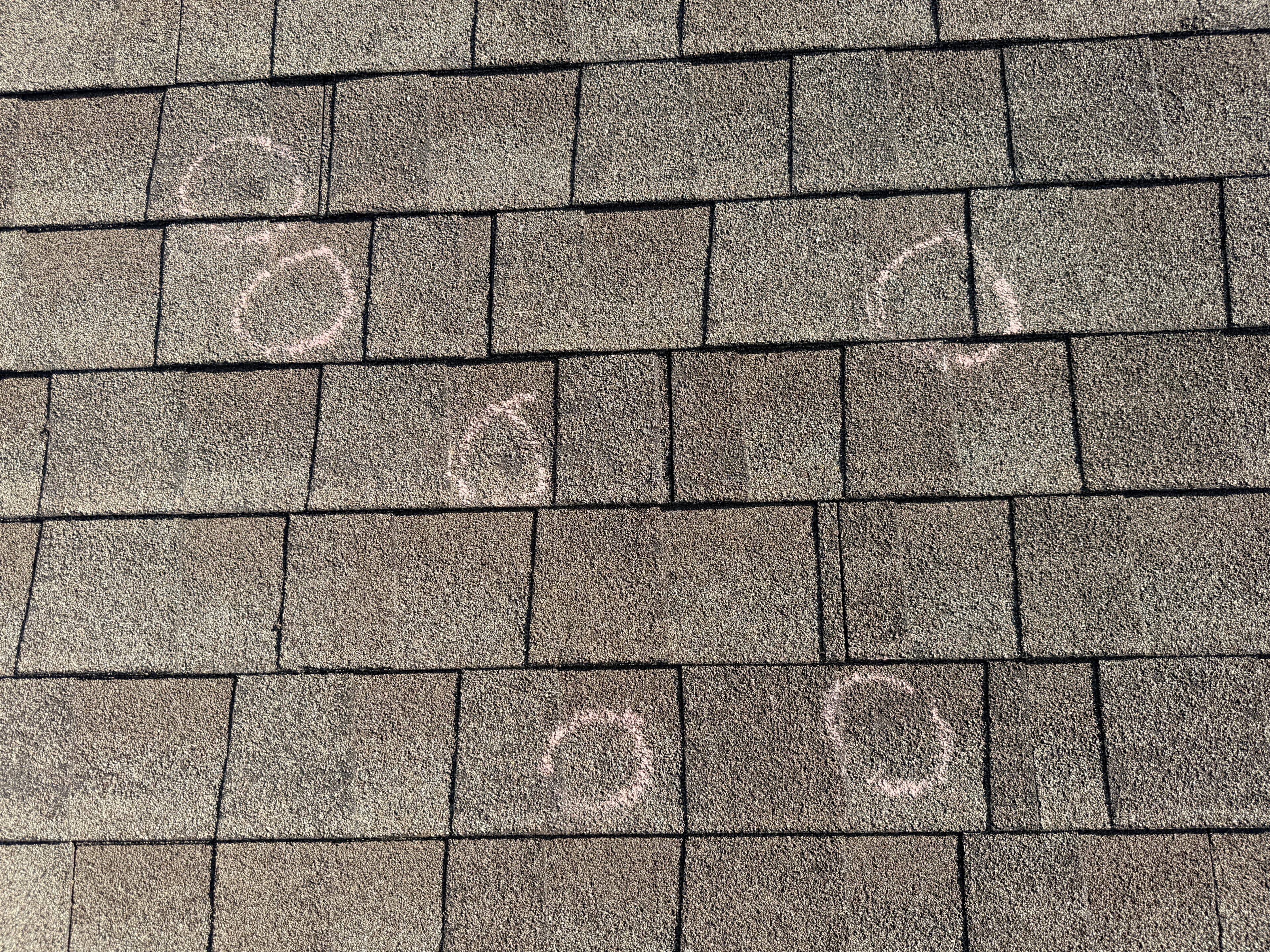
In Oklahoma, most major carriers save their best discounts for Class 4 roofs — typically 10–30% off the wind and hail portion of your premium. Class 3 often gets little to nothing.
On a $3,000 annual policy, a 20% Class 4 discount is $600 a year. Over 10 years that’s $6,000. The upgrade cost from standard to Class 4 is usually recovered in insurance savings alone within 5–8 years, not counting the avoided deductibles and headaches.
Who Should Actually Get Class 4?
If you live in the Oklahoma City metro and plan to stay in the house more than a few years, Class 4 is the smarter play. The cost difference isn’t huge, the protection is meaningfully better, and the insurance companies reward it.
If you’re on a very tight budget and the house is a short-term hold, Class 3 still beats standard shingles. But most of the homeowners we work with end up choosing Class 4 once they see the numbers.
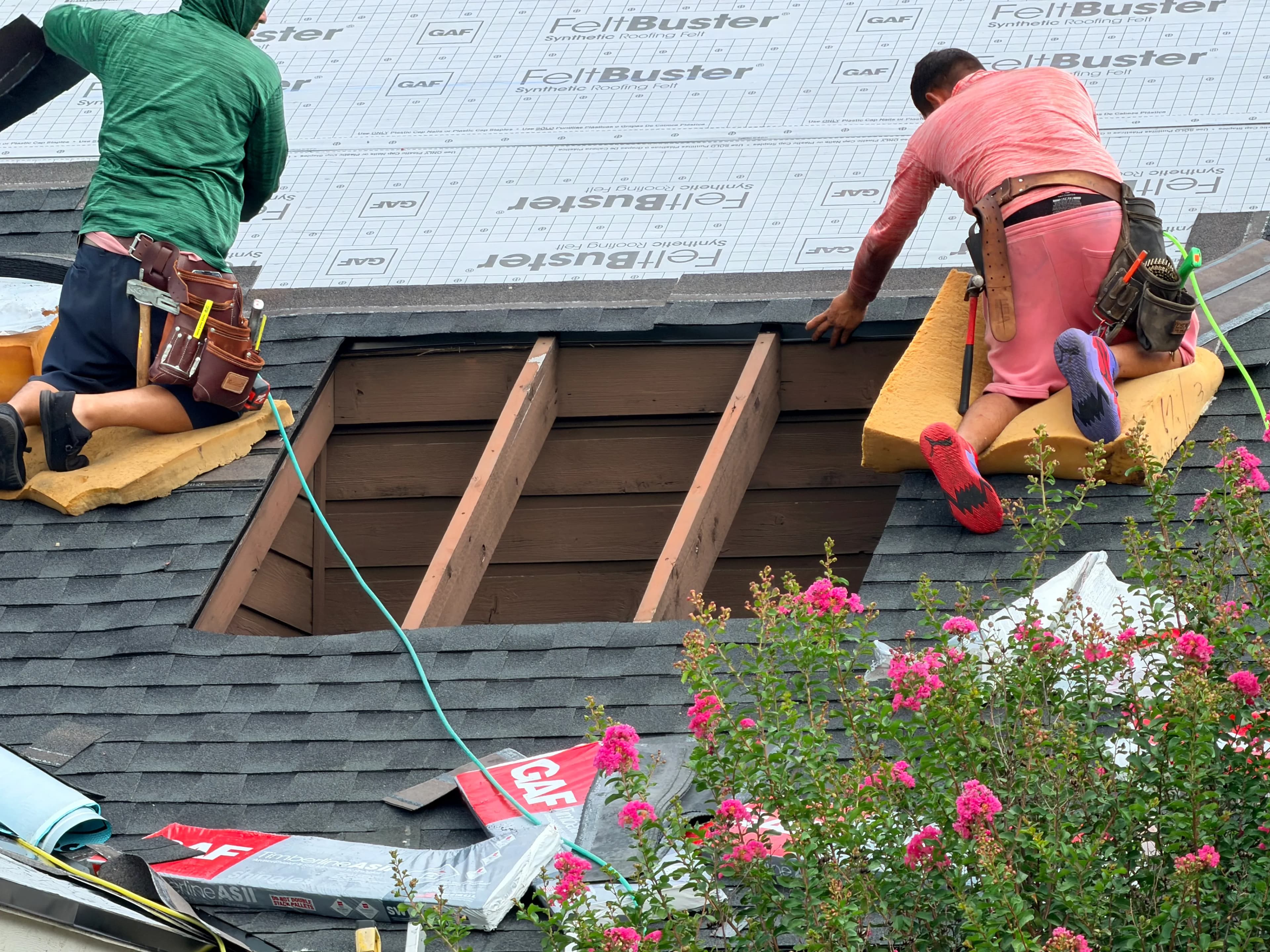
We’ve replaced plenty of Class 3 roofs after big hail events.
We rarely replace Class 4 roofs for impact damage unless the hail was extreme (softball size and up). That track record is why we recommend Class 4 to be a consideration for the majority of our Oklahoma City customers.