
5 Things to Do Before the First Freeze - Autumn Roof Checklist OKC
30 September 2026
To protect your home from winter damage, you need to complete five specific tasks before the first Oklahoma freeze. You must: clear your gutters, inspect for summer storm damage, seal your flashing, trim tree branches and evaluate your attic ventilation.
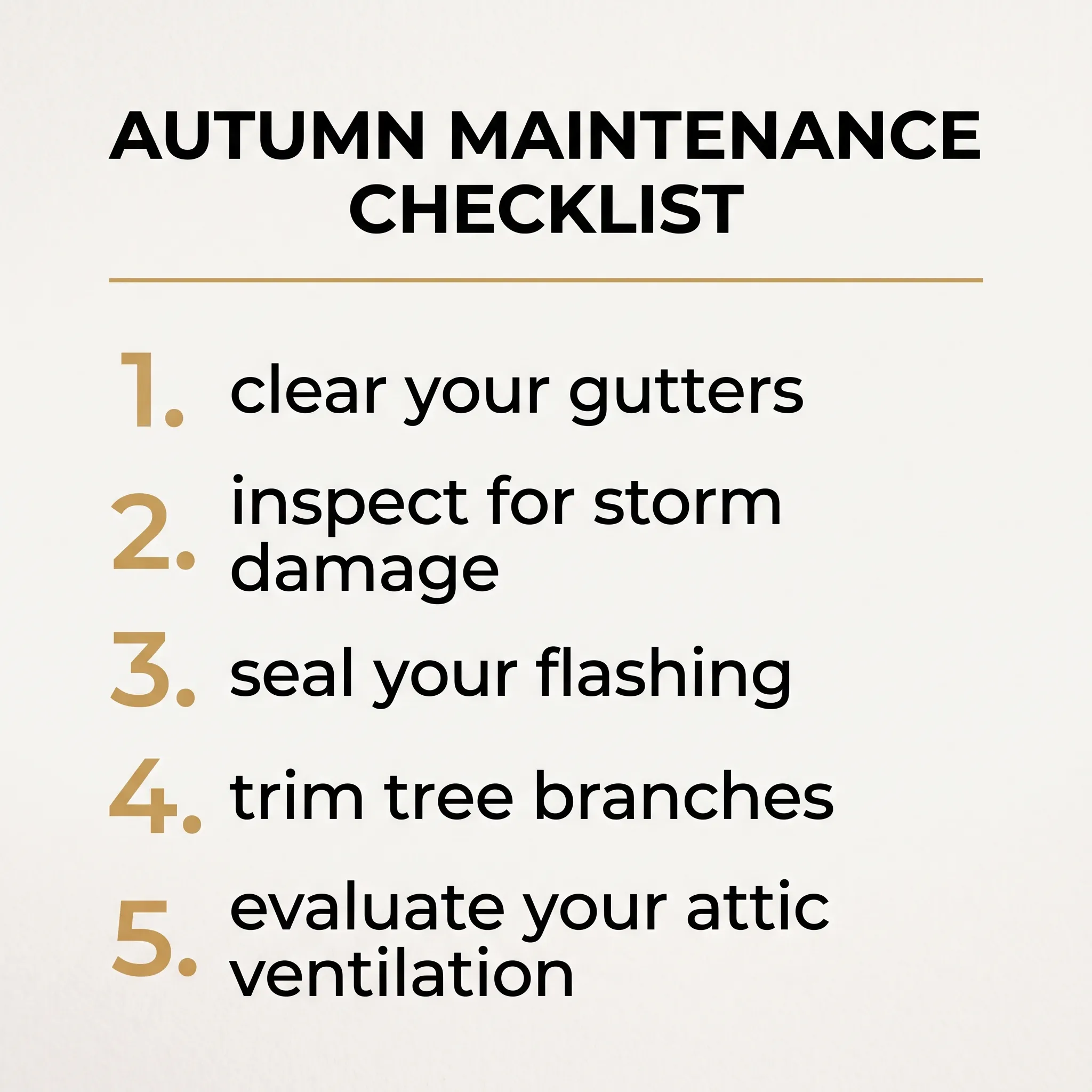
Completing these five steps now will prevent ice dams, stop winter leaks, and extend the lifespan of your entire roofing system. We built this checklist based on the core principles found in our 123 Remodeling & Roofing service guidelines to give you the most effective, no-fluff approach to winterizing your property.
The Cost of Waiting for Winter
Last January, a homeowner in Edmond learned a hard lesson about autumn roof maintenance. He had noticed a small accumulation of leaves in his gutters back in October but decided to put off the chore until the weather warmed up. When a sudden Oklahoma ice storm hit out of nowhere, that debris trapped the melting snow.
The water had nowhere to drain, so it froze, expanded, and pushed upward beneath his shingles.
The resulting leak didn't just damage his roof deck; it caused significant water damage to his guest bathroom and kitchen ceiling below. What should have been an afternoon of simple gutter cleaning turned into emergency roof repairs and extensive interior remodeling.
You can easily avoid this stress. Autumn in the Oklahoma City metro area provides the perfect window of mild weather to prepare your home. The transition from intense summer heat to freezing winter temperatures puts massive thermal stress on your roofing materials. By taking proactive steps now, you protect your family, safeguard your property value, and keep your wallet closed during the holidays.
Here is your comprehensive autumn roof checklist.
Step 1: Clear the Gutters and Downspouts
Your gutters act as the primary drainage system for your entire roof. When autumn leaves, twigs, and dirt clog this system, rainwater backs up. As temperatures drop below freezing in cities like Moore and Yukon, that trapped water turns into heavy ice that can permanently warp or detach your gutters from the fascia board.
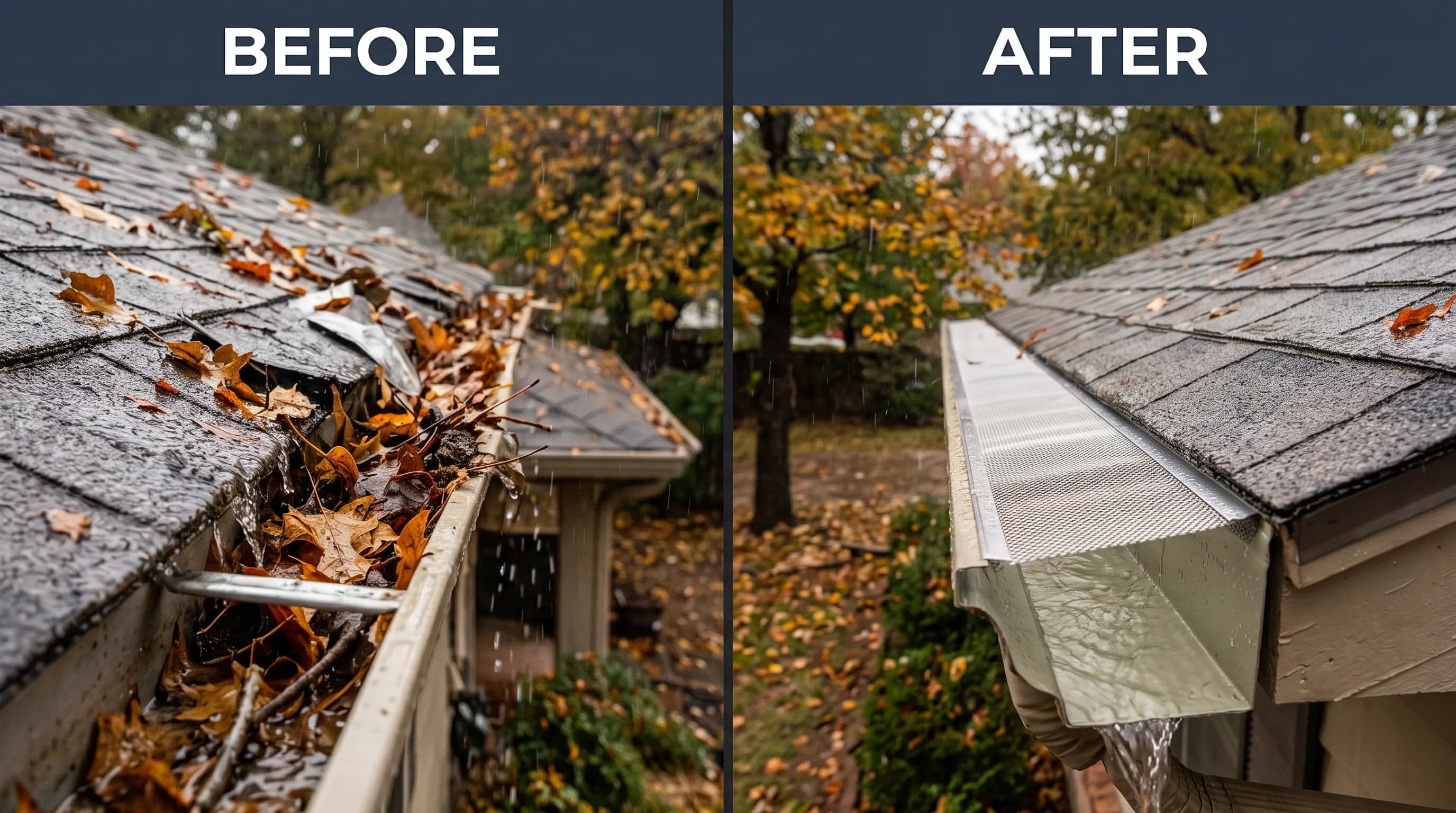
Even worse, this ice buildup creates a solid dam. When the sun comes out and melts the snow on the higher parts of your roof, the water flows down, hits the ice dam, and is forced backward under your shingles and directly into your attic.
To properly clear your drainage system and prevent ice dams, follow these steps:
- Physically remove all debris from the horizontal gutter channels using a trowel or gloved hands.
- Flush the system with a garden hose to clear away small granules and dirt.
- Watch the downspouts while flushing to ensure water flows freely out of the bottom extensions.
- Clear interior downspout clogs with a plumber's snake or high-pressure water if you notice trickling, backup, or overflowing water at the top.
The Tennis Ball Trick
Want to ensure your downspouts stay clear after you clean them?
Place a simple wire mesh strainer over the downspout opening. If you are in a pinch, a tennis ball placed over the hole can temporarily block large leaves from entering the vertical pipe while still allowing water to flow around the fuzzy edges. However, professional exterior remodeling and gutter guard installation remain the best permanent solutions for Oklahoma homes surrounded by mature trees.
Step 2: Inspect Shingles for Summer Storm Damage
Oklahoma weather is notoriously harsh. Your roof has likely endured high winds, heavy rain, and potentially damaging hail over the spring and summer months. Shingles that survived the summer storms might still be bruised, cracked, or knocked loose.
When winter moisture seeps into these damaged areas and freezes, the expanding ice will literally tear the shingles apart, turning a minor bruise into a major leak. You do not need to climb onto your roof to look for signs of trouble. You can perform a highly effective visual inspection from the ground using a good pair of binoculars.
Walk the perimeter of your house and look carefully for these specific red flags:
- Missing or torn shingles that expose the darker underlayment or fiberglass matting underneath.
- Curled edges or shingles that look blistered, warped, or uneven.
- Heavy asphalt granule loss visible on the ground near your downspouts, which looks like a pile of dark, coarse gravel.
- Dents in your roof vents or soft metals, which are prime indicators of prior hail impact.
If you live in an area recently hit by severe weather, you must be extra vigilant. Identifying this damage now is critical, especially if you are considering upgrading your roofing materials next year and want to understand the durability differences discussed in our guide on Class 3 vs Class 4 shingles.
Step 3: Check and Seal Roof Flashing

Flashing is the thin sheet metal installed at the joints and valleys of your roof. You will find it wrapped around your chimney, bordering your skylights, surrounding plumbing vents, and lining the area where the roof slope meets a vertical wall. Its single job is to direct water away from these vulnerable, high-risk seams.
Because flashing is made of metal and your roof is made of wood and asphalt, these materials expand and contract at completely different rates during wild Oklahoma temperature swings. Over time, this constant movement causes the sealant around the flashing to crack, dry out, and flake away. Rusted, lifted, or unsealed flashing is the number one cause of winter roof leaks.
During your visual inspection, prioritize looking at these specific areas:
- Pipe boots and chimney bases: Check if the caulking looks brittle, cracked, or is entirely missing.
- Metal condition: Look for warped, lifted, or heavily rusted sections of flashing that no longer sit flush against the roof.
- Sealant application: Any missing sealant needs to be replaced with high-quality, waterproof roofing caulk before the heavy winter freezing rain begins.
Step 4: Trim Overhanging Tree Branches
Mature trees add massive value and aesthetic beauty to historic neighborhoods in Nichols Hills and Purcell. However, they pose a severe threat to your roof during the late fall and winter seasons.
Autumn winds whip low-hanging branches against your roof, constantly scraping away the protective granules on your shingles. This friction acts just like sandpaper, severely wearing down your roof and significantly reducing its lifespan. Furthermore, winter ice storms coat branches in heavy, solid ice. A branch that looks perfectly safe in October can easily snap under the extreme weight of January ice, crashing through your roof deck and causing catastrophic structural damage.
The Tree Branch Danger Zone Guide
Distance from Roof | Risk Level | Required Action |
Touching the shingles | Critical | Immediate removal required to prevent severe abrasion and shingle tearing. |
1 to 5 feet | High | Trim back before winter to prevent wind whipping and ice storm snapping. |
6 to 10 feet | Moderate | Monitor growth. Trim thin or dead wood to prevent windborne debris during blizzards. |
10+ feet | Low | General seasonal maintenance and routine health checks for the tree. |
If the branches are thick, heavy, or located near power lines, do not attempt to cut them yourself. Always hire a professional, insured tree trimming service to handle the job safely.
Step 5: Evaluate Attic Insulation and Ventilation
Your roof does not work alone; it functions as a complete system alongside your attic. Proper attic ventilation and heavy insulation are absolutely critical for keeping your home warm and ensuring your roof remains intact during the freezing winter months.
Heat naturally rises. If your attic lacks proper insulation, the warm air from your living space will escape upward, warming the roof deck and causing snow and ice on the roof to melt rapidly. This melted water runs down the slope of the roof until it hits the cold, unheated eaves, where it instantly refreezes into a massive, destructive ice dam.
Good ventilation ensures that the air in your attic stays relatively close to the outside temperature, preventing this rapid freeze-thaw cycle. To check your attic system:
- Ensure soffit vents are clear of old, blown-in insulation, heavy dust, or debris that might block airflow.
- Check roof vents (such as ridge vents or mechanical whirlybirds) to make sure they are operating smoothly and are clear of bird nests or packed leaves.
- Verify insulation depth to ensure it meets the recommended R-values required for harsh Oklahoma winters.
If you are unsure about your home's thermal envelope, evaluating your overall energy efficiency is a smart move. Proper attic ventilation works hand-in-hand with your home's heating system.
When to Call a Professional Roofer
We strongly encourage proactive homeowners to take an active role in maintaining their properties. Cleaning your lower-level gutters and trimming small, accessible branches are excellent weekend projects. However, climbing onto a steep roof is inherently dangerous, especially as the autumn weather turns damp, windy, and slippery.
If your ground-level visual inspection reveals missing shingles, damaged metal flashing, or signs of an active interior leak, it is time to call in the experts at 123 Remodeling & Roofing.
A professional autumn inspection gives you total peace of mind. We have the rigorous training, safety equipment, and experienced eyes required to thoroughly evaluate every inch of your roofing system. We can spot the subtle signs of wind lift and minor hail bruising that untrained eyes completely miss. If we find damage that warrants a conversation with your insurance provider, we can guide you through the next steps, ensuring you avoid the 5 red flags when hiring a roofing contractor.
Secure Your Home Before the Freeze
The transition into the bitter winter months does not have to be stressful or expensive. By taking a single afternoon to clear your gutters, visually inspect your shingles, check your metal flashing, trim back dangerous trees, and evaluate your attic, you lock in the safety of your home. You eliminate the nasty surprise of a January roof leak and ensure your heating bills stay manageable.
Do not wait for the freezing rain to test the structural limits of your roof. If you live anywhere in the Oklahoma City metro area, from Midwest City to El Reno, let our experienced team give your roof a clean bill of health. We focus on direct, honest evaluations without the fluff, so you know exactly where your property stands.